Cost$0.42
ETA3:12
The intelligence layer that runs drones, AVs, robots, and couriers as one operation.
The first meter
Autonomous delivery has revealed something nobody planned for: the first meter.
How a package gets from inside the kitchen, the store, or the DC to the drone pad, the AV bay, the robot dock. Who carries it. When. Where it gets staged.
What happens when the merchant is mid-rush and nobody notices the vehicle has arrived. Nash is built for the coordination work this creates.
Learn more about the Nash Platform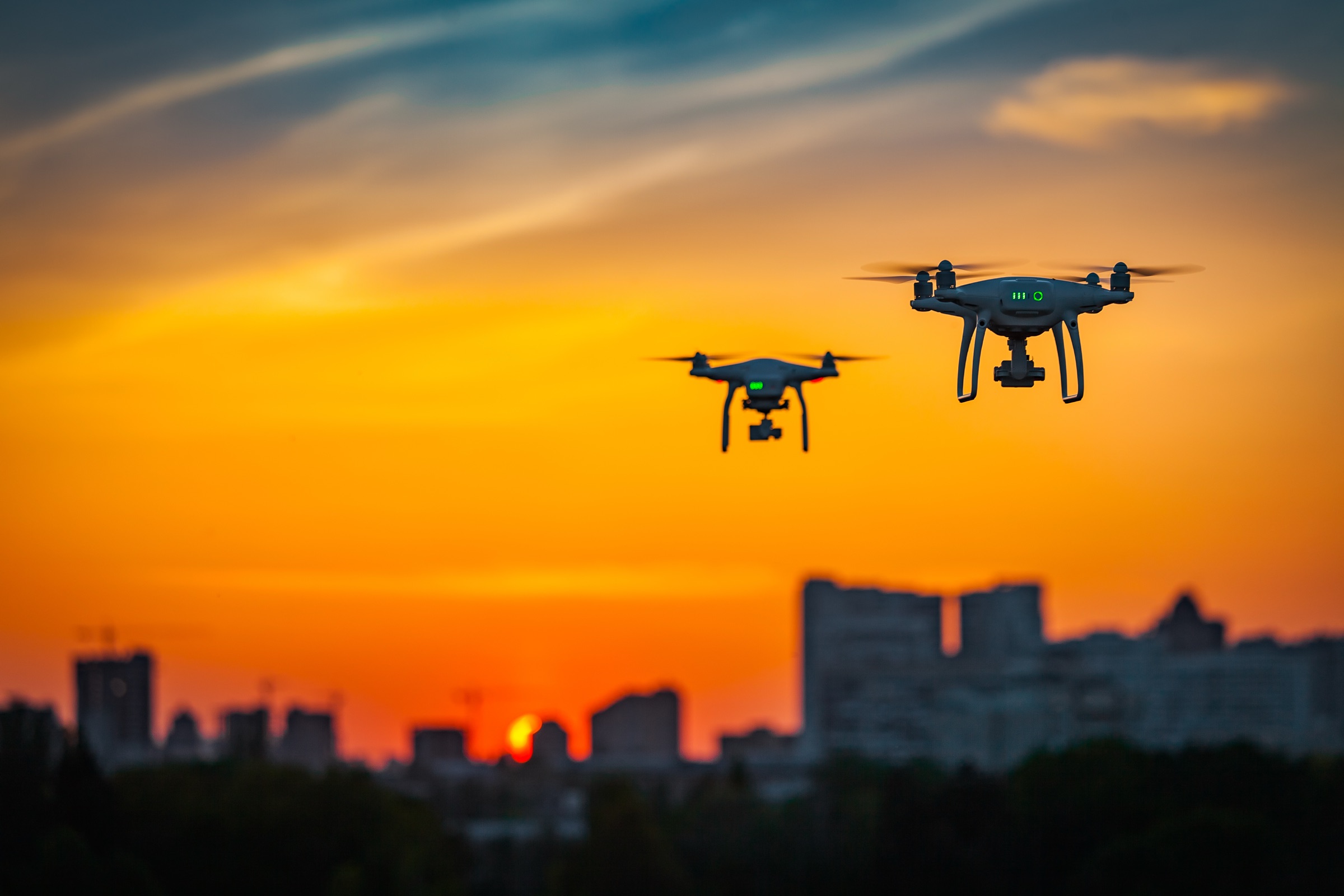
One engine
Drones, drivers, robots, AVs, all operating simultaneously for the same merchants and the same customers. Every new mode multiplies the coordination surface.
Nash treats every mode as part of one capacity pool, evaluated in the same engine against the rules that govern your business.
In the field
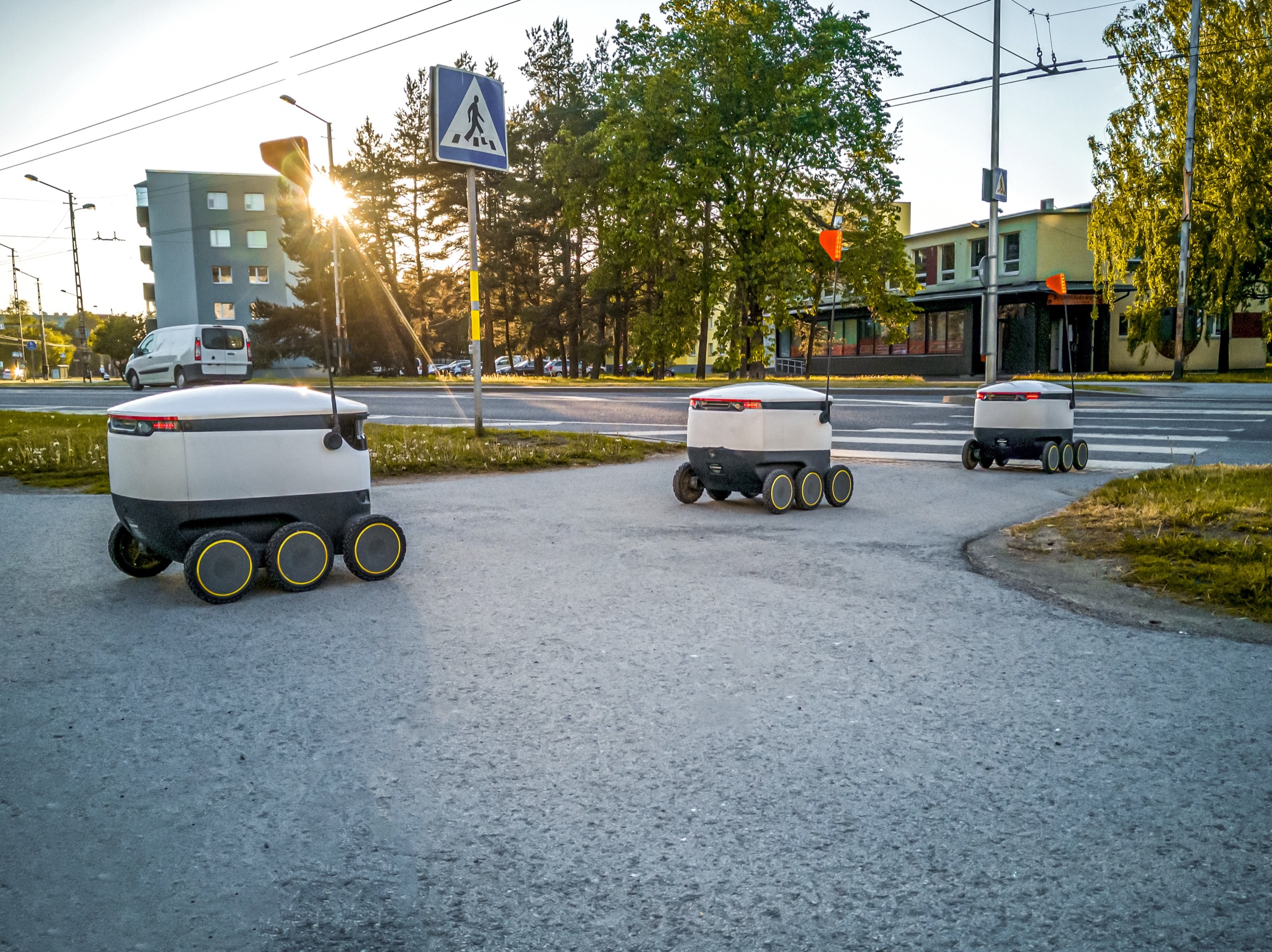
Flytrex is a drone operator in the Nash provider network, live across Dallas-Fort Worth with a multi-modal model that routes ground-courier orders alongside its drones. In Austin, Autolane coordinates a supervised autonomous vehicle at the curb while Nash routes each order behind the checkout the customer already uses. Starship's sidewalk robots cover the same short-radius ground deliveries, folded into the same dispatch logic as every other mode.
The handoff
A drone arriving at a rooftop pad. An AV pulling up to the curb bay. A robot waiting at the dock. Each one needs the package staged, the right person at the right time, the handoff verified.
Nash coordinates the merchant-side action against the vehicle's arrival. The handoff lives in the SLA, with timestamps both sides can see.
Merchant POS · 4:16:08 PM
"Drone is 2 minutes out. Stage order #1247 at pad 2. Confirm when loaded."
Confirmation · 4:18:24 PM
Order #1247 loaded. Pad 2 cleared. SLA met by 1:36.
Released · 4:18:32 PM
Liftoff. Window held. ETA to drop point 9:48 PM.
Failover
A drone that cannot fly today because of weather. An order too heavy for the drone fleet, too small for a van. A robot whose battery dropped below the threshold for its return leg.
Nash treats the modes as a stack. Mode 1 disqualifies, mode 2 picks up the job before a dispatcher has to ask. Internal fleet first, autonomous next, gig as the elastic safety net, or any priority order you configure.
The customer never sees the swap.
Energy
For autonomous modes, energy is a hard physical constraint that bounds every dispatch decision.
Battery state, range envelope, payload weight, weather, charge windows, regulatory operating envelopes: Nash holds each one as a real input.
Every trip needs enough battery for the return leg. Jobs that cannot complete inside the envelope never enter the queue.
Drop point
Today, accepting a drone delivery means physically pre-approving your address, individually, for every operator that wants to serve you. Customers will not pre-approve their backyard twenty times for twenty drone providers.
Nash holds the verified drop point once, in the Context Fabric. Every operator authorized to deliver to that address inherits the location, the access notes, the safety clearance, the homeowner instructions.
Sequence
A drone cannot queue. Battery burns whether it's flying or hovering, so any wait time has a real cost.
Nash sequences pickups across the modes a single merchant is serving, so the drone arrives when the order is staged, the AV pulls up when the bay is clear, and the courier slots into the open gap.
Vehicles arrive in sequence and none waits longer than the staging window allows.
Simulate
Before you sign the drone operator contract, before you fund a robot pilot, before you scale the AV deployment from one zip code to fifty, run the mix in simulation.
Nash evaluates scenarios against the variables that actually decide success: which orders qualify for which mode, what the battery envelope allows, what the weather curve looks like across a year, what the cost-to-serve is per mode at scale, and what the fallback profile holds when conditions turn.


