Insights
Equilibrium in Motion: Introducing the New Nash Brand
 Al Cook
7 Min Read
Al Cook
7 Min Read
Insights
Al Cook
7 Min Read
Written by Al Cook, Chief Growth Officer at Nash
It’s 6 a.m., and the delivery plan is perfect.
By 9 a.m. though, it isn’t. A truck has gone offline outside Phoenix. A driver has food poisoning and can’t make a stretch without stopping. A drone is grounded because the wind hit thirty miles an hour. The morning’s perfect plan is now a list of small, accelerating fires.
Anyone who has ever run a dispatch desk or stayed past midnight reconciling a missed window knows: logistics is not a pretty flowchart. It’s friction, weather, timing, human behavior, infrastructure, a thousand small failures, and a lot of people doing the right thing under pressure the rest of us never see.
For years, the Nash brand was clean, capable, and neutral. It did its job. What it didn’t do was show the reality that logistics is a living, breathing system, one that never reaches a final state, and one that rewards the people who can hold their footing while everything shifts beneath them.
That’s what we set out to change.
In the last few years, three major things changed in the logistics world:
These three shifts landed on operators at the same time, and on us. A brand built for a world with fewer delivery modes, slower customer expectations, and AI as a future concept couldn’t carry what Nash is now.
Nash as a product was already built for today’s reality. It was time the brand said so, too.
Mahmoud Ghulman, our CEO, did his graduate work at MIT. Aziz Alghunaim, our co-founder and CTO, also came through MIT and Palantir. Both of them think in physics.
Before I joined Nash, Mahmoud and I went for a walk along the Embarcadero. We were supposed to be talking about the company, but instead, he told me about designing two-sided nanoparticles that turn light into motion, because each side absorbs light differently, creating tiny forces, so you can literally make nanoparticles spin and move just by shining light on them. A few months later, after I joined, we were in Tokyo, touring the Imperial Palace and talking about space-time fabric and wormholes. Mahmoud coded the visual geometry of a wormhole on his phone as we walked.
Optics, light behavior, spacetime geometry. That is genuinely how our founders think. And that inspired us to make these real-world, complex physics ideas our analogies to logistics, and the foundation of the brand. Everything else followed.
Nash takes its name from the Nash equilibrium, the idea that in any system under pressure, there is always an optimal outcome waiting to be found. We borrowed that concept, then asked what it looks like when the inputs never stop changing.
Because a logistics network never stops changing. The optimal answer at 9 a.m. is wrong by noon. The best carrier this week may go dark by Tuesday. The work is not about finding a perfect plan, but landing on the best possible outcome, continuously, in constant uncertainty.
That is what Nash is built to do. Sense, decide, execute, repeat. Equilibrium held not by standing still, but by moving with the world faster than it moves against you.
Operators know the software won’t make the work simple. They’re not asking for simple. They’re asking for a system that can hold its footing inside the complexity that is already there, and a brand that respects that complexity rather than pretending it away.
That operating state has a name. We call it autonomic logistics, a system that doesn’t just execute decisions, but continuously learns from them, improves on them, and finds the next optimal outcome without waiting to be asked. The brand and the product are built around the same idea: equilibrium isn’t a destination. It’s something you hold, continuously, while the world keeps moving.
Our new logo we call the continuum mark. You might see two squares, an abstract representation of sides of a package. You might see sides cut out from a hexagon, because we use a hex grid to map the world as we model it. But look again and you might see an abstract representation of a wormhole. To us, it’s built with all that in mind, but we think of it as a wormhole.
A wormhole is physics shorthand for something logistics operators understand intuitively: the best path between two points is rarely the straight line. It only becomes visible when you account for all the constraints: the moment, the conditions, the available capacity. The fastest path between A and B is brief, fleeting, ephemeral, and ever changing.
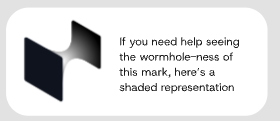
The mark is deliberately ambiguous, too. It can read as moving toward you or away from you. Two operators looking at the same network data will see two different things. A mark that holds both readings is more honest than one that resolves to a single fixed answer.
Most logos exist to be stamped. Ours is designed to m o v e… morphing, stretching, bending what is near it, and rebalancing. When it moves, the system is moving. When it holds, the system is holding.
The rest of the system follows the same logic:
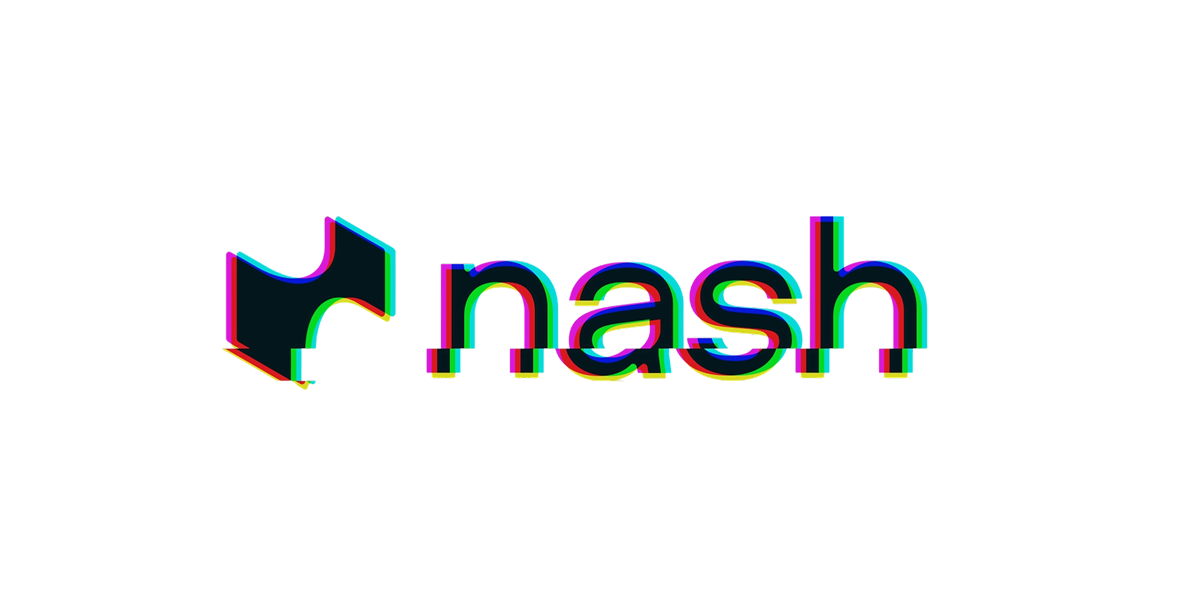

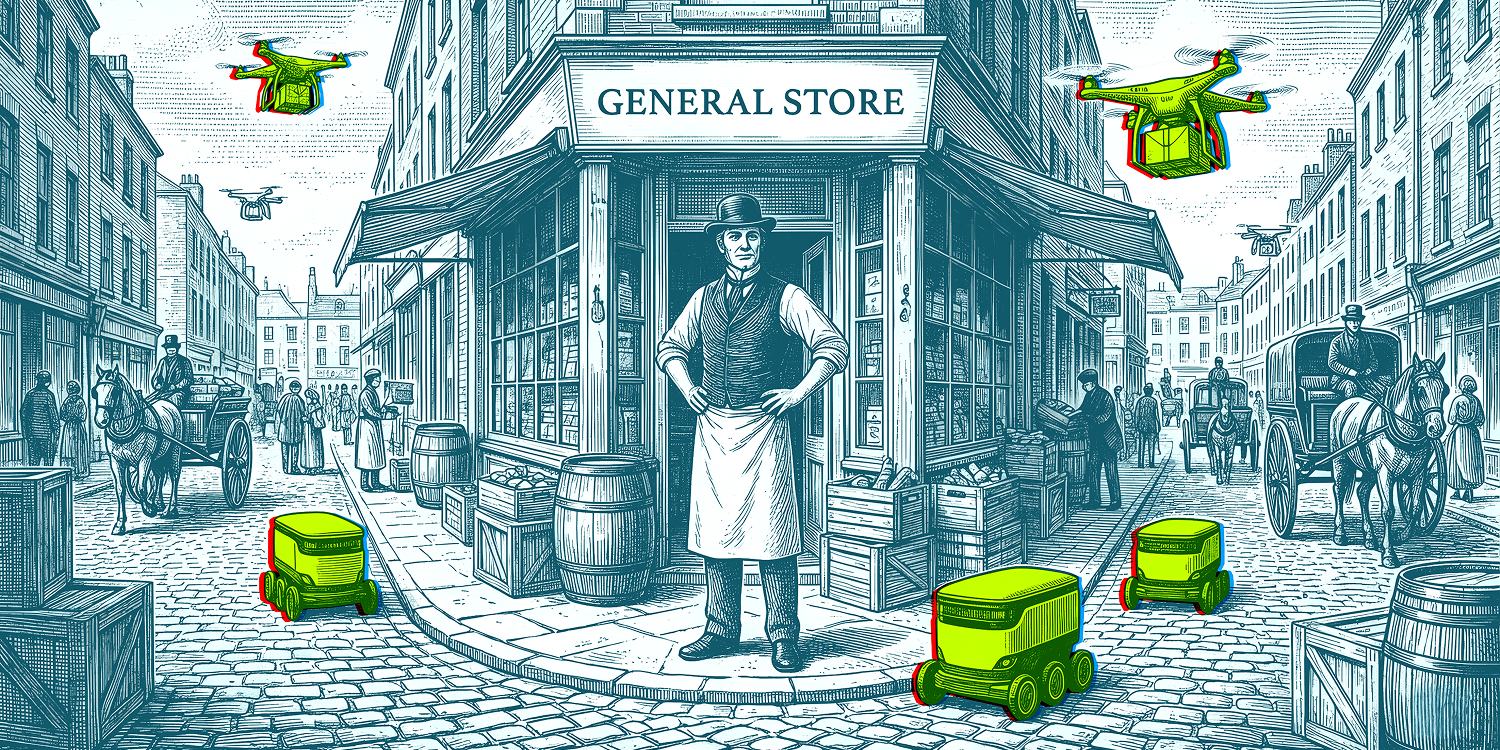
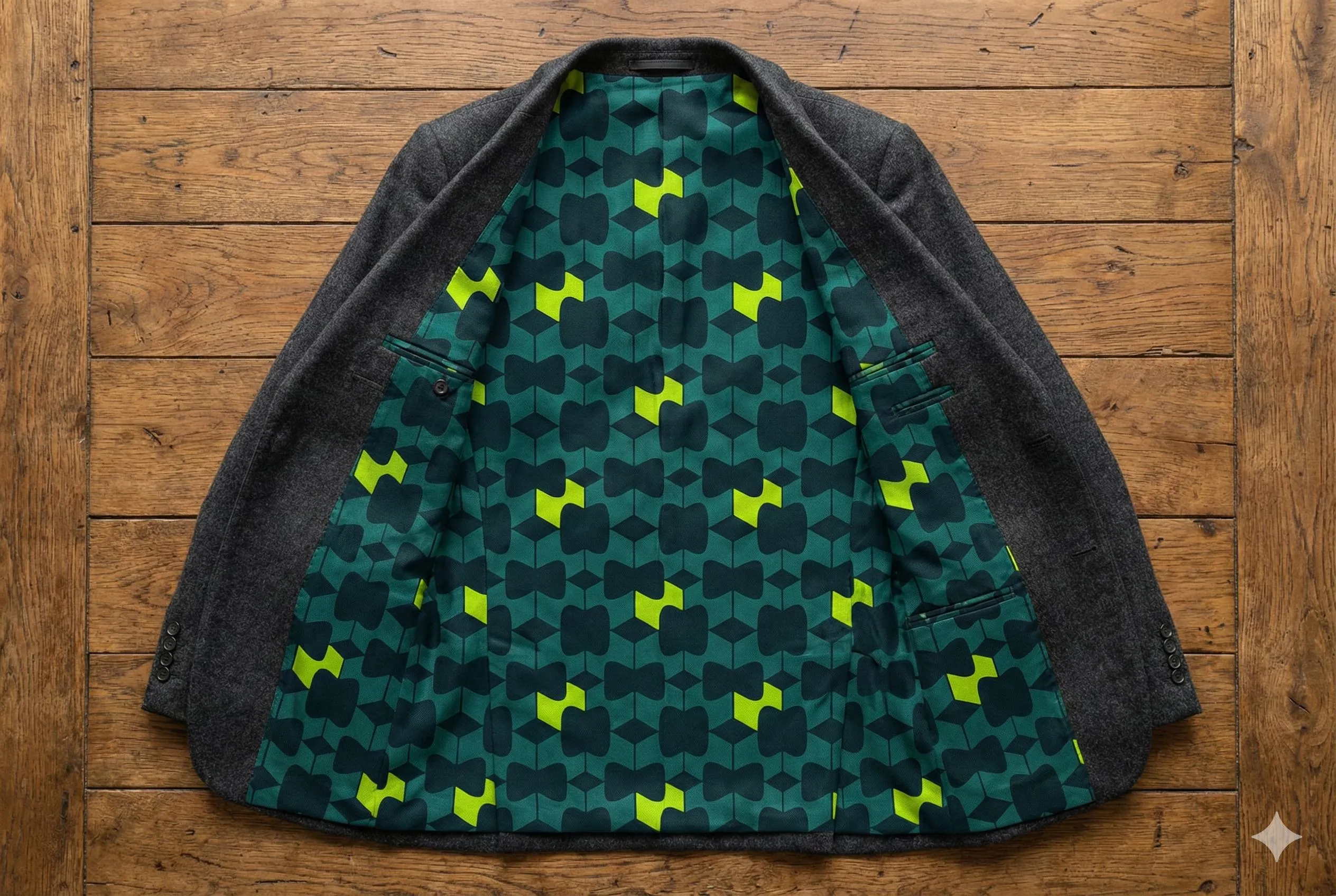
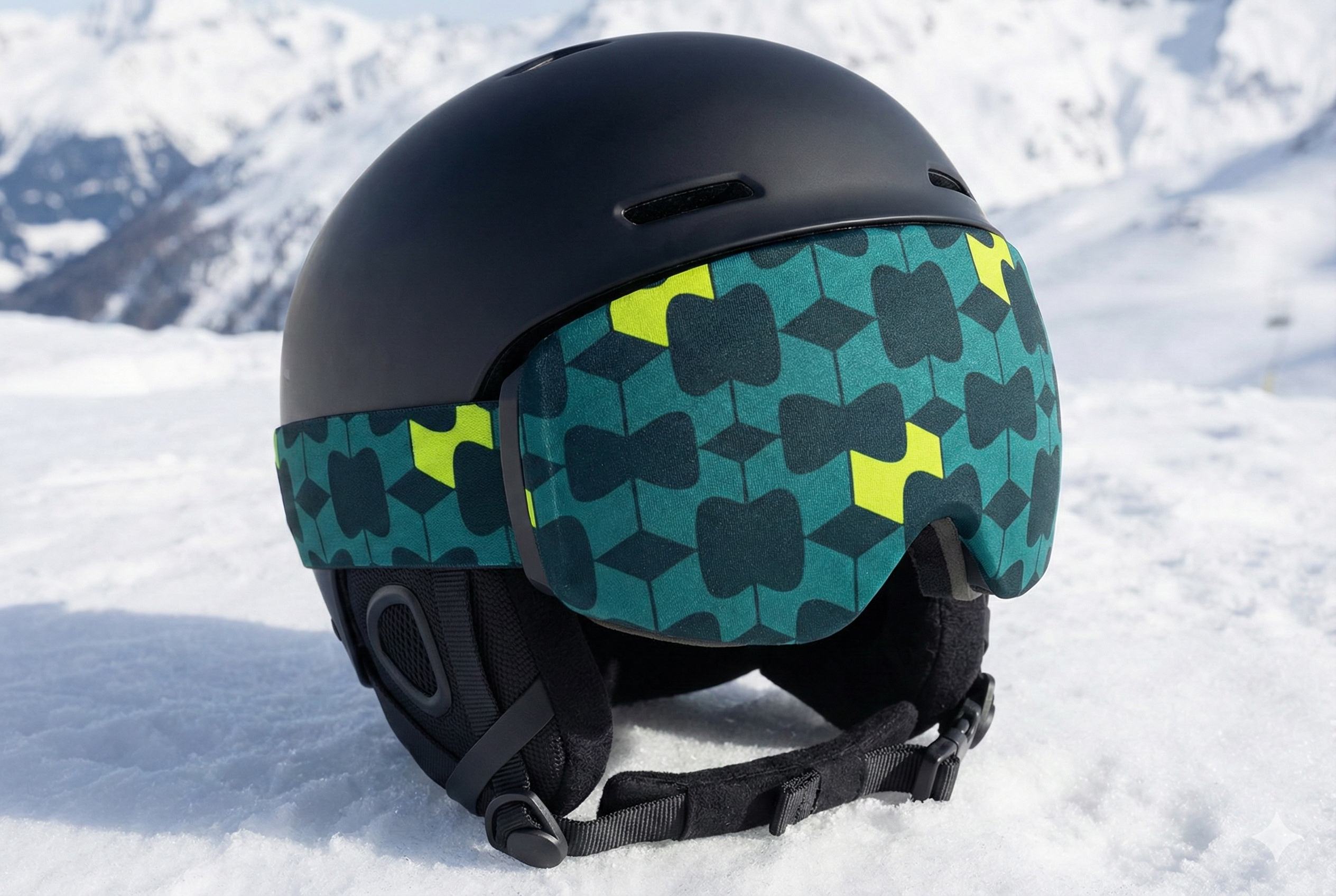
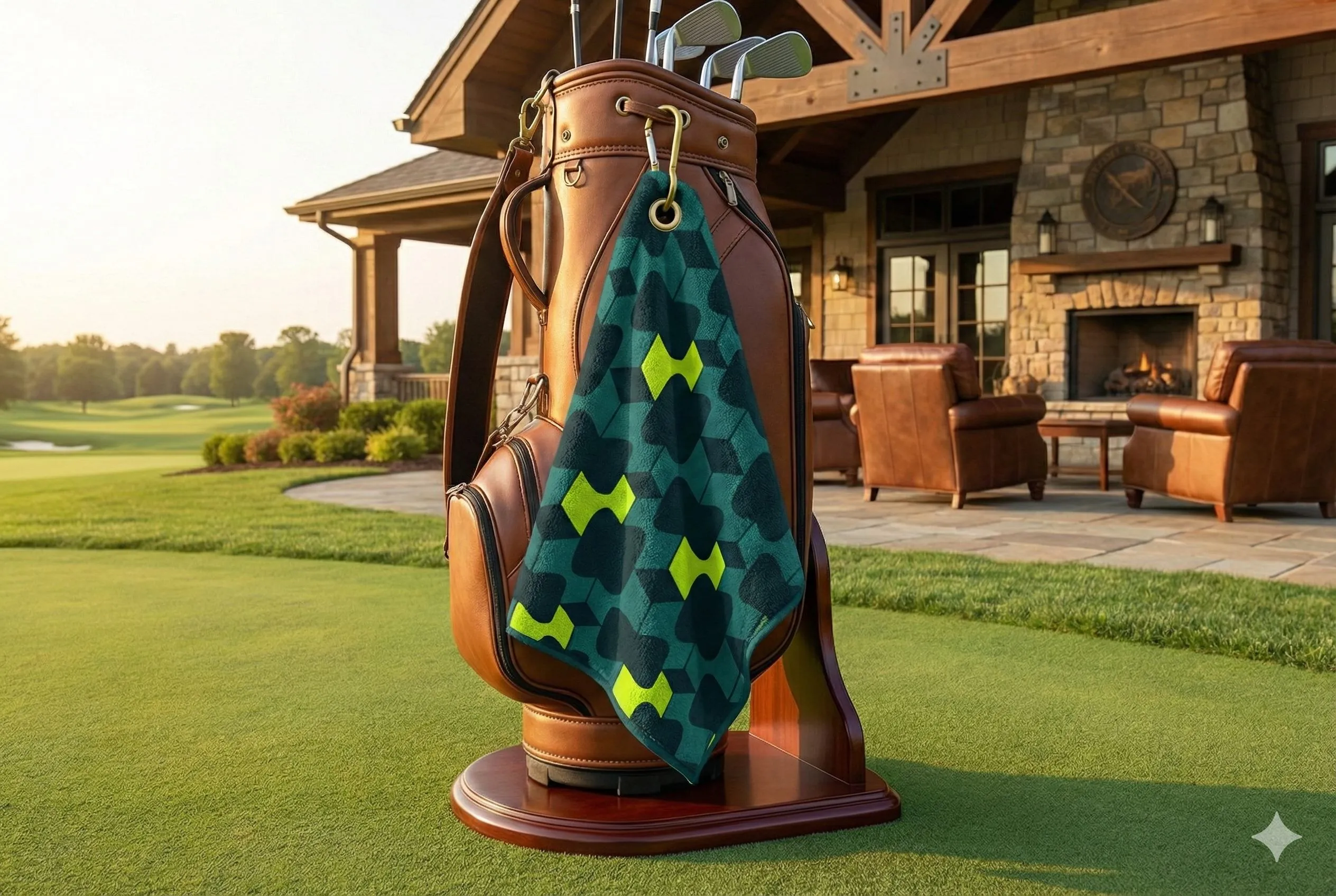
Now, the Nash brand is built to behave the way the platform does. Every element earns its place.
Our new brand and company positioning is live today, in support of our launch of Autonomic Intelligence. Canonical color, type, and mark assets, available now. This is version one. We will keep shooting at customer locations to replace generative imagery with real ones. We will keep building the materiality program: physical objects, real fabric, things that exist before we photograph them. And we will keep teaching the brand to behave the way the platform behaves: sensing, adjusting, holding equilibrium.
If you run a logistics network and this resonates, we want to hear from you.
Equilibrium in motion. Welcome to the new Nash.
We want to acknowledge many people who worked on this: Alice Warnier, Yanni Davros, Drew Meyers, Dave Hyatt, Tony Murphy, Bry Larrea, and of course all the people across Nash who gave us continual support and feedback.
We also think it’s interesting to reflect: a re-build like this, of a brand system, company positioning, product positioning, a new product launch, video, slides, and more, just a couple of years ago would have taken a team of 20 people a year. Now it took just a few months, and a much, much, much smaller team. The amazing Claude.ai was one of them. But by far the most impressive, was Kelsey Montgomery. Thank you, Kelsey.